
How Road Salt in Allentown Impacts Your Fleet and Why Regular Cleaning Matters
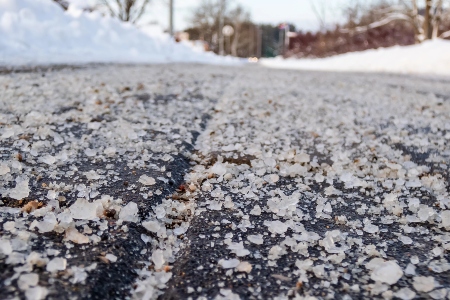
If your trucks, vans, or buses run daily routes in Allentown, PA, they spend months bathing in salt, slush, and gritty spray. That winter mix eats at metal, wiring, and finishes long after the snow melts. Consistent, professional fleet washing in Allentown, PA, is the simplest way to slow corrosion, protect safety systems, and keep your vehicles reliable through the Lehigh Valley's long, cold season.
Why Allentown's Winter Road Treatments Attack Your Fleet
When temperatures drop, local crews use rock salt and liquid brine to keep I-78, U.S. 22, Hamilton Street, and neighborhood roads passable. The chlorides in these treatments dissolve into a thin film that splashes into wheel wells, frames, steps, and underbodies. Chloride solutions are hygroscopic, meaning they absorb moisture from the air. Even on a sunny day after a storm, that damp film stays active and continues to corrode steel, aluminum, and fasteners.
Think of salt like a slow battery sitting on your chassis. It speeds up the natural reaction between metal, oxygen, and water. Paint chips become rust spots, rust spots become holes, and sensitive electrical connectors start to fail. On vehicles that crisscross the Lehigh River bridges or idle in city traffic near PPL Center, the constant spray and stop-and-go motion give salt more chances to settle in seams and crevices.
Where Corrosion Strikes First On Commercial Vehicles
All fleets are vulnerable, but some components take the first hit. Regular inspections during winter help you catch issues before they cascade into breakdowns.
- Brake and fuel lines along the frame rails
- ABS wheel speed sensors, wiring harness clips, and grounds
- Crossmembers, spring hangers, and trailer landing gear
- Rockers, cab corners, step rails, and door hems
- Aluminum wheels, liftgates, reefer units, and underbody boxes
- Battery trays and terminals on buses and paratransit vans
Salt does not care how new your equipment is. Fresh paint and clean undercoating help, but the film finds small gaps. That is why a rinse-first, contact-clean process with the right detergents is essential all winter.
In the Lehigh Valley, freeze-thaw swings are common. Salt residue can reactivate with humidity, so waiting until spring to "do one big wash" invites hidden rust. A steady winter wash cadence is the safer, more cost-effective plan.
Fleet Washing In Allentown, PA: What Routine Cleaning Really Does
Professional fleet washing is more than a quick spray. A structured process helps neutralize chloride residue and remove the fine grit that sandblasted finishes. Done right, it protects logos and wrap materials while keeping sensors and safety cameras clear.
Here is what an effective winter wash program typically includes:
- High-coverage pre-rinse that targets undercarriages, wheel ends, and frame pockets
- Detergents selected for road film and salt residue, applied with dwell time for contact cleaning
- Brush or touchless passes based on finish, graphics, and equipment type
- Focused cleaning around steps, liftgates, and hydraulic fittings to reduce slip hazards and corrosion
- Rinse with attention to seams and drain paths so salty water does not stay trapped
- An optional protection step that helps future grime release faster
The result is not just shine. Clean metal and hardware dry faster and corrode more slowly. Clear lenses, mirrors, and cameras improve visibility in slushy traffic. And technicians can spot leaks, loose clamps, or cracked boots before small problems become roadside repairs.
How Often Should You Wash In a Lehigh Valley Winter
Allentown fleets see frequent storms and freeze-thaw cycles from December through March. A practical schedule balances uptime with protection:
- High-mileage regional trucks: rinse and wash after each storm event and at least weekly during salted conditions. Vehicles that run on I-78 and U.S. 22 daily should not stretch beyond seven days in active salt.
- Last-mile vans and service trucks: every 7 to 10 days in winter, plus an extra undercarriage rinse after heavy slush days on MacArthur Road or Tilghman Street.
- Refuse, municipal, and plow-support equipment: more frequent cycles due to constant exposure. Quick rinses between routes reduce caked residue around suspension points and hydraulics.
- Post-season deep clean: once spring settles in, schedule a thorough de-salting service to flush seams, frames, and body cavities. This step slows summertime oxidation and gets your fleet ready for inspection cycles.
The Hidden Costs Of Skipping Winter Washes
Corrosion starts small, then compounds. A rusty clamp drips onto a crossmember. A sticky ABS sensor triggers intermittent illumination, making diagnosis difficult. A weakened step rail becomes a safety issue for drivers. Over time, downtime and parts replacement steal revenue. For fleets that carry passengers or critical deliveries, even short outages disrupt schedules and customer trust.
Clean vehicles also reflect your brand. On Hamilton Boulevard or near Dorney Park, your trucks are mobile billboards. Salt streaks and dull film signal neglect, while clean equipment signals care and reliability.
Local Factors In Allentown That Increase Corrosion Risk
Allentown's geography and traffic patterns add extra exposures. The hills around South Mountain and the river valley trap moisture and fog, keeping salt active on metal longer. Busy corridors like Cedar Crest Boulevard and Airport Road create dense spray zones where slow-moving traffic throws salt mist onto frames and connectors. Yard conditions matter too. If your depot lot collects brine and slush ridges, parking rows can become corrosion hotspots even on clear days.
Consider route timing as well. Early morning starts after pre-treatment, meaning your vehicles meet brine at its strongest. Evening returns track slush into lots and bays. Without a regular wash cadence, that build-up hardens and seeps under coatings where you cannot see it.
What A Professional Fleet Washing Partner Brings
A trusted local provider brings process, products, and accountability. That combination saves you time and protects asset life.
- Process built for winter: staged rinses, targeted wheel-end cleaning, and attention to drains and seams where salt hides.
- Protective approach to finishes: correct chemistries for wrapped vans, painted cabs, and polished aluminum. The goal is clean, not etched.
- Safety and compliance focus: slip-risk areas like steps and liftgate platforms get extra care to reduce film that lingers after storms. Clean lighting and camera lenses help drivers navigate tight city streets and depot yards.
- Operational tracking: consistent schedules, route notes, and photo logs make it easier to maintain PM records and spot trends. When every truck follows the same wash cadence, your maintenance team sees patterns early.
How Routine Washing Extends Vehicle Life
Corrosion is cumulative. Every day you remove active salt, you slow the clock on oxidation. Frames hold their paint longer. Brake components stay free, so calipers and slides move as designed. Electrical grounds stay clean, so diagnostics are clearer. Even body hardware like hinges and latches lasts longer when they are not crusted with residue.
Over the life of a fleet, these small wins add up to fewer roadside calls, more predictable inspections, and better driver satisfaction. When drivers step into clean cabs and use clean steps, they feel safer and more valued. That shows up in care for equipment and in how your brand looks around Allentown and neighboring towns like Bethlehem, Emmaus, and Whitehall Township.
Simple Guidelines To Build Your Winter Wash Cadence
Every operation is different, but a few clear rules of thumb help you set a plan you can keep:
- Do not let a salted vehicle go more than a week without a full wash during active winter treatment periods.
- Prioritize an undercarriage and wheel-end focus after each storm event or when slush lines build up on rocker panels.
- Schedule an early-spring de-salt deep clean to flush seams and frames once the last brine treatments are done.
Set your cadence by route exposure, not just by calendar. A van that only runs short city hops may need the same frequency as a tractor that runs I-78 if both are exposed to heavy salted spray. When in doubt, remember this rule: salt never sleeps.
Why Choose Wax Daddy Mobile Fleet Wash For Fleet Washing In Allentown, PA
Wax Daddy Mobile Fleet Wash focuses on uptime, safety, and protecting your investment. Our winter wash approach targets the spots where Allentown road brine hides, keeping coating systems intact. We document each visit, so you have a record for maintenance planning and inspections.
If you need a partner who can scale with your route peaks and snowfall swings, call 610-217-6388. We help set a steady, practical schedule that fits your dispatch window and keeps your vehicles ready for the next storm cycle.
Ready To Protect Your Fleet Before The Next Storm
The best time to stop winter corrosion is before it starts building up. A consistent, professional wash program reduces hidden rust, keeps sensors reliable, and preserves branding on the roads of Allentown, PA. To learn more about fleet washing in Allentown and set up a winter maintenance rhythm that works for your routes, call 610-217-6388 today. Catch rust early and keep your fleet earning.

Established in 2018
We bring a mobile approach, experienced technicians, and a commitment to excellence.
Returning Clientele
We focus on building long-term relationships with our clients.
Professional & Reliable
We use proven cleaning methods and professional-grade equipment.