
Mobile Fleet Washing for Logistics Companies in the Lehigh Valley: Reducing Downtime and Improving Efficiency
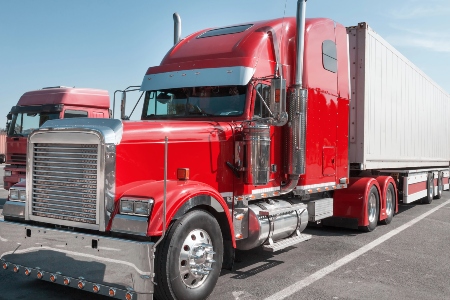
Delivery timelines in the Lehigh Valley are tight. Every minute your drivers spend waiting in a wash bay is a minute they are not covering miles on Route 22 or I-78. That is why mobile fleet washing in Allentown is such a smart move for logistics and last-mile carriers. By bringing cleaning to your yard or dock, you keep vehicles road-ready, protect your brand image, and keep routes on schedule. If you are comparing options, explore our mobile fleet washing services to see how on-site care can fit your operation without slowing it down.
Why Mobile Fleet Washing Protects Schedules
Most logistics delays are small. A truck leaves late after an inspection. A sprinter van waits while a fixed wash tunnel clears a line. These little pauses ripple across the day. On-site washing removes that friction. Vehicles are cleaned in place, so dispatch can stage units in sequence and release them as soon as they are ready.
Clean equipment also helps keep inspections quick. Labels, VIN plates, reflective tape, and safety markings stand out when grime is gone. Drivers spend less time wiping mirrors or headlights before leaving the yard. That head start adds up across dozens of stops.
- Reduce deadhead miles to off-site wash locations and back
- Eliminate wait times in public wash lines during peak hours
- Stage washes around fueling, loading, and pre-trip checks
- Keep vehicles visible and compliant with clean lights and markings
Your team stays focused on core work while the wash crew moves methodically through rows of tractors, straight trucks, step vans, and trailers. Keep trucks on the road, not in the wash bay.
How On-Site Service Reduces Downtime
With mobile service, washing becomes a background task. The crew arrives during your lowest-impact window, like late evening after returns or early morning before outbound runs. They set cones, connect water, and work a predictable pattern so your dock flow is never blocked. No extra keys need to be left with dispatch, and drivers do not lose time in a car wash loop across town.
Another advantage is flexibility. If thunderstorms push an outbound schedule, the team can shift to equipment that is staying in the yard longer. If a trailer is added to a hot load, it can be bumped to the front of the wash order. That agility is hard to get at a fixed site with set appointment times.
If you want to see a standard process and frequency options, review our approach on the mobile fleet washing page. It outlines how on-site teams coordinate with dispatch and safety, along with typical sequences for mixed fleets.
Mobile Fleet Washing in Allentown, PA: Time Savings You Can Measure
The Lehigh Valley runs on tight turns. From industrial parks near Tilghman Street to distribution hubs in Fogelsville and along Airport Road, trucks and vans cycle quickly. Road dust from quarry traffic, winter salt, and spring pollen build layers that dull reflectivity and soil door handles, latches, and liftgates. Routine on-site washing keeps units presentable without pulling them off the board.
Consider a fleet of 30 route vans. If each off-site wash adds just 25 minutes of travel and waiting, you lose over 12 hours of capacity on a single rotation. On-site service cuts that drag, then repeat the win every week. Dispatchers notice the difference first, because released vans hit the road in order and arrive at the first stops clean and on time.
Winter road brine along I-78 and Route 22 can leave a sticky film that traps grit and moisture. Schedule interim rinses during storm cycles and a thorough post-season clean to help reduce corrosion on undercarriages, steps, and frames.
What Clean Fleets Signal to Customers
In logistics, small touches matter. A clean truck at a grocery dock signals to receivers that you care about food safety and professionalism. A bright step van at a medical office shows respect for the site. Customers and the public may not see your dispatch screens, but they see your vehicles everywhere.
Clean equipment also helps your drivers. Clear mirrors, windows, and marker lights support visibility and safe lane changes. Debris does not build up around door tracks or liftgate hinges. That means fewer delays wrestling with sticky latches at the worst possible time. First impressions stick, especially when your brand rolls through the same neighborhoods daily.
If you are comparing providers or just starting to explore options, you can read more about mobile fleet washing in Allentown and how it fits into a broader maintenance plan for uptime and safety.
Scheduling Around Lehigh Valley Traffic And Weather
Good scheduling keeps productivity high. In the Lehigh Valley, late evenings after returns and early mornings before outbound runs are often the best windows. Fixed weekly slots help everyone plan. During peak retail seasons, bump frequency or add a quick rinse between full washes to keep logos bright for holiday routes through Hamilton District and West End.
Weather matters too. After a snow event, aim for a rinse within a day or two to get brine off steps, rails, and undercarriages. In spring, fine pollen makes white and dark liveries look dull. A light wash sequence restores shine fast. Coordinating these cycles with your dispatcher prevents last-minute scrambles and reduces missed appointments.
For operations centered in Allentown, PA, mobile service means the crew meets you where your assets actually sit, whether that is a private yard near the intermodal, a shared dock, or a leased lot close to major routes.
What To Expect From A Professional Fleet Washing Team
A reliable mobile crew works like an extension of your yard team. They should arrive in marked vehicles, check in with a supervisor, walk the lot, and confirm the sequence and any units to skip. Then they set up safely, keeping walkways clear and using appropriate signage and PPE.
- Pre-rinse to lift loose grit without grinding it into surfaces
- Foam or detergent application matched to paint and decals
- Soft-brush or touchless agitation based on your equipment mix
- Attention to mirrors, windows, lights, grab rails, and steps
- Rinse, spot check, and tidy the work area for the next shift
Communication stays constant. If a unit cannot be washed due to maintenance, it is flagged. If a liftgate is sensitive, the team notes it in their run list. The goal is a predictable result that blends into your normal yard rhythm. Consistency beats one-off deep cleans for maintaining a professional image on the road.
Compliance And Environmental Care
Responsible washing protects surrounding properties and waterways. Reputable providers manage water use, use detergents suited to fleet finishes, and follow local requirements for runoff and reclaim. Many jobs benefit from water capture in low spots or near drains to keep the area tidy and reduce the chance of tracking residue into buildings.
Your safety program also benefits from a clean environment. Clear walk paths and dry steps reduce slips. Clean reflective tape and DOT markings remain easy to verify during inspections. These are small details that make daily operations smoother.
Reducing Surprise Delays With Clean, Ready Equipment
Much of logistics is preventing small delays before they grow. Doors that seal cleanly avoid extra straps. Rear cameras stay clear. License plates and sensor areas are not obscured. These touches preserve the time you planned into each stop. They also help drivers feel prepared at the first delivery, which sets the tone for the rest of the route.
When you measure fleet appearance as seriously as on-time performance, you get steadier days. Yard checks are faster. Load crews avoid stained hands. Customers notice, and that goodwill often shows up in smoother dock turns and fewer complaints.
Right-Sizing Frequency For Your Routes
There is no single wash frequency that fits every operation. Urban parcel vans running tight loops may need quick touchups between full washes. Long-haul tractors might go longer if their routes avoid storm cycles. The best plan starts with a baseline, then adjusts after a month of tracking outcomes like inspection time, route punctuality, and customer notes.
Use simple signals to guide changes:
- More missed or late first stops after bad weather
- Visible film on windows, mirrors, or camera lenses
- Receivers mentioning dirty doors or liftgates
- Drivers are spending extra time wiping lights before departure
A short weekly rinse plus a rotating deep clean can be very effective for mixed fleets. It keeps the entire lineup presentable while giving each unit periodic extra attention.
Coordinating Washing With Yard Flow
Mobile crews work best with a simple map of your yard. Mark where trucks stage for outbound, where returns park, and where wash lanes should sit. If your site is tight, cleaning in small blocks prevents bottlenecks. With clear hand signals and radios, your team and the wash crew can swap units smoothly without interrupting loading.
For satellite lots across Bethlehem or Whitehall, a shared schedule ensures each location gets service without pulling vehicles away. Grouping close sites for the same evening saves time and avoids early-morning surprises.
How Clean Fleets Support Safety And Brand Standards
Clean glass, mirrors, and lenses support visibility. Clean steps and grab rails help reduce slips. Decals and unit numbers remain easy to read, which helps security and yard checks after dark. On the brand side, fresh logos communicate reliability the moment a truck rolls to a school, office, or store.
It is not only about looks. Dirt carries moisture and salt that sit on metal. Regular removal helps protect finishes and hardware. Small, steady washes beat occasional heavy scrubbing for paint and decal health.
Make The Most Of Your Next Service
Before your next wash cycle, list rolling priorities: units scheduled for high-visibility stops, any safety concerns, and equipment coming out of maintenance. Share those notes with your provider and ask for a simple end-of-shift report. Over a few weeks, you will see patterns that help you fine-tune frequency and timing for the best return on time.
When you want a partner who plans around your routes, Wax Daddy Mobile Fleet Wash is ready to help. Ready to streamline routes with professional mobile fleet washing in Allentown? Call 610-217-6388 to talk scheduling, site setup, and service windows that keep your teams moving.
If you prefer to read more first, explore our mobile fleet washing services to see common sequences and how we coordinate with dispatch across the Lehigh Valley. When you are ready, give us a call or mention your preferred time window so we can plan a smooth first visit. Call now for mobile fleet washing in the Allentown area.

Established in 2018
We bring a mobile approach, experienced technicians, and a commitment to excellence.
Returning Clientele
We focus on building long-term relationships with our clients.
Professional & Reliable
We use proven cleaning methods and professional-grade equipment.