
On-Site Truck Wash vs. Drive-Through: Which Option Saves More Time for Fleet Managers?
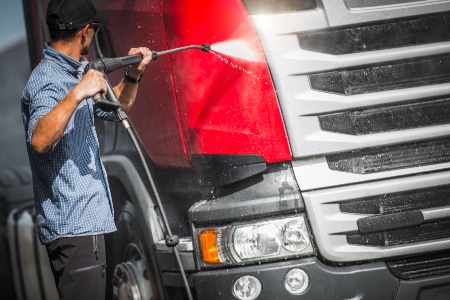
If you manage trucks in Allentown, PA, you know time controls everything. Between tight delivery windows on I-78 and Route 22, yard checks in Fogelsville, and turnarounds near Lehigh Valley Industrial Park, the question becomes simple: will an on-site truck wash or a drive-through bay get your fleet back on the road faster? This guide compares mobile truck wash services with traditional wash bays to help you cut delays and keep schedules on track.
On-site truck wash, also called mobile Allentown fleet washing, brings professional cleaning crews and equipment directly to your yard. Drive-through wash bays require your drivers to leave the route or the yard to queue, pay, and pass through a fixed tunnel. Each has its place. The key is choosing the option that reduces downtime for your routes, shift patterns, and compliance needs in the Lehigh Valley.
What an On-Site Truck Wash Looks Like In Allentown, PA
With mobile service, a trained team arrives at your lot during a window you choose, often before the first shift or after the last dock clears. Water, detergents, soft brushes, and reclaim systems travel with the crew. Many yards near Tilghman Street or along American Parkway prefer this model because it keeps trucks staged while they are cleaned, inspected, and signed off.
When you want a simple way to compare options, explore how a dedicated fleet truck wash service can be scheduled around your loading and dispatch rhythm. For some fleets, linking your regular yard walk with a quick exterior wash prevents small issues from growing into missed stops.
For visibility online and consistency in your records, you might centralize information about your on-site truck wash in Allentown, PA, so drivers and supervisors know the weekly plan. Keeping this info in one place also helps new hires learn the routine fast.
How Drive-Through Wash Bays Work
Drive-through bays are fixed facilities designed to expedite traffic once a truck reaches the tunnel. They use high-pressure arches and detergents to remove grime. They shine when you have a small number of units, limited yard access, or your trucks already pass a bay on the way back to the terminal.
The challenge is everything around the wash. Drivers may need to detour, idle in line, and clock time away from other tasks. If multiple carriers roll in after the same local delivery window, queues build fast. That can make a "quick wash" take far longer than planned, especially on wet winter afternoons when many operators seek a rinse after salting operations.
Time Savings: Real-World Scenarios In Allentown, PA
Downtime is not just wash time. It includes staging, paperwork, queuing, and post-wash inspections. Here is how the two options often compare for common Lehigh Valley fleet patterns:
- Parcel and final-mile fleets returning to hubs near Whitehall: On-site teams clean rows of vans while managers close out routes, so drivers avoid a second stop.
- Food and beverage distributors based around LVIP: On-site washing between route waves avoids crowding the yard exit or clogging nearby arterials during peak traffic.
- Regional carriers turning on I-78 at Fogelsville: A drive-through can work if a bay sits directly on the route, with historically short lines. Otherwise, the detour costs rise.
Avoid stacking washes during peak receiving windows when forklifts, yard dogs, and drivers all compete for space. A short shift in timing, like pre-dawn starts, often saves more minutes than any change in chemistry or equipment.
Winter in the Lehigh Valley brings road salt and brine. Clearing residue within a day or two helps protect finishes and lighting, especially on trailers that shuttle between Allentown, Bethlehem, and Easton. Quick rinses after storms keep logos readable and inspections simpler.
Scheduling Flexibility And Reduced Downtime
Flexible scheduling is the biggest difference. Mobile crews clean during low-traffic hours, sometimes staging by rows or route numbers. That way, outbound units get priority and inbound units cool down before cleaning. If your team runs double shifts or weekend dispatches, on-site service adapts without pushing drivers to make an extra stop.
Drive-through bays publish hours, which can help with planning. But if your drivers arrive in waves after the PPL Center event lets out, or snow slows traffic on Route 22, your carefully planned buffer can evaporate. Building a schedule around your yard's quietest blocks pays off because the same 30-minute wash impacts less when it happens while other tasks are paused.
Cleanliness Standards, Brand, And Inspections
Clean equipment reflects on your brand at every dock. Customers in Allentown and the wider Lehigh Valley notice clean cabs and readable trailer graphics. It is also simpler to spot leaks, loose hardware, or lighting issues on a clean surface when you conduct pre-trip or post-trip inspections in the yard.
Drive-through bays deliver consistent results on exterior surfaces. On-site teams can tailor approaches by asset: day cabs, sleepers, reefers, straight trucks, and even specialized equipment. That tailored approach helps your crew focus on details that matter most to each route type without adding a second stop.
Hidden Time Costs: Labor, Fuel, And Idling
Every minute your team spends leaving the yard for a wash is time not spent staging, fueling, loading, or resting. Add idling in line, the chance of a long queue, and a second post-wash inspection. That is why many managers analyze not just the sticker time in the bay but the total time door-to-door.
On-site washing brings the service to where trucks already sit. Yard marshals can sequence units so dispatch keeps flowing. Even small savings per unit add up when multiplied across a fleet and an entire month of turns. In winter, on-site cleaning also helps you avoid extra cold starts for units that would otherwise leave the lot just for a wash.
Which Option Fits Your Fleet Size And Routes?
There is no one-size answer. Use your route map, shift calendar, and yard layout to make the call. Consider these patterns common in Allentown:
- Local delivery fleets with tight a.m. dispatch: On-site service before first roll-out keeps vans ready without detours.
- Regional tractors with midday returns: A nearby drive-through can work if lines are reliably short and within a mile or two of the yard.
- Mixed assets across multiple yards: Mobile crews rotate locations weekly to keep each site on pace.
If you want to compare approaches on one page, review how a scheduled on-site fleet truck wash aligns with your inbound and outbound windows. A short pilot across two weeks often reveals where the real bottlenecks hide.
Local Factors In The Lehigh Valley
Weather and traffic shape cleaning plans in Allentown. Freeze-thaw cycles push grit and salt into seams that should be rinsed promptly. Summer construction along major corridors can make a round-trip to a bay unpredictable. That is why many yards near Trexlertown or along Airport Road pick low-traffic times for service right on the lot.
Space matters too. Some facilities near downtown or along older industrial streets have tight entries. On-site teams can stage smaller rigs and use compact equipment to work within those constraints, reducing the risk of blocking neighbors or creating conflicts at your gates.
For city-specific planning, keep a quick reference to your Allentown, PA yard and route notes so supervisors can adjust when weather or traffic shifts. Centralizing these notes also makes it easier to coordinate with dispatch and safety.
Environmental Considerations And Good Practices
Responsible washing protects drains and waterways. Many mobile crews bring containment and reclaim to capture wastewater at the yard. This helps you clean efficiently while following common-sense practices on private property.
Never allow wash water to flow into storm drains on or near your property. Ask your provider how they capture and dispose of wastewater, and make sure your lot layout supports good containment.
How To Decide In Under 30 Minutes
Use a simple scorecard. List your five biggest time drains, then assign points to each option. For example, if queuing and detours are your top issues, on-site service probably wins. If your trucks already pass a reliable bay with zero line at your return time, the drive-through may be fine.
Bring drivers into the conversation. They know which routes hit traffic near the Hamilton Street bridges or which yards fill up by 3 p.m. A practical decision grounded in their daily experience usually sticks and delivers the savings you expect.
The Bottom Line For Fleet Managers
Most Allentown fleets that stage trucks in a single yard see the biggest time savings with on-site washing. The combination of flexible scheduling, fewer detours, and quick inspections adds up over a week of turns. Drive-through bays remain useful as backups or for specific lanes that already pass through a facility with short lines.
When you are ready to standardize your process, work with a provider who will map cleaning windows to your dispatch plan, document before-and-after conditions, and coordinate with your yard lead. That is how you protect brand image while avoiding dock delays from Bethlehem to Whitehall.
Make The Call: Choose The Faster Path To A Cleaner Fleet
Ready to reduce downtime with an on-site truck wash in Allentown? Call 610-217-6388 to schedule flexible fleet washing that fits your routes in the Allentown area.
Wax Daddy Mobile Fleet Wash serves fleets across the Lehigh Valley with reliable scheduling and clear communication. If you want your team focused on loads, not lines, on-site service is often the cleanest path to a tighter schedule.

Established in 2018
We bring a mobile approach, experienced technicians, and a commitment to excellence.
Returning Clientele
We focus on building long-term relationships with our clients.
Professional & Reliable
We use proven cleaning methods and professional-grade equipment.